In today’s fast-paced logistics and supply chain industry, efficient Warehouse Management Systems (WMS) have become a crucial tool for businesses, aiming to optimize their operations. However, before committing to a WMS solution, it’s important to assess its viability—ensuring it will not only meet immediate needs but also sustain growth in the future. A clear WMS viability strategy enables businesses to make informed decisions and avoid expensive errors in the future.
Why Is WMS Product Viability Important?
Choosing the wrong WMS can lead to inefficiencies, operational disruptions, and missed opportunities for growth. A comprehensive viability strategy ensures that the selected WMS solution aligns with both short-term goals and long-term scalability.
The evaluation process of WMS needs to align with your business model, warehouse process model, organizational security model, infrastructure model and operational expertise.
Key Factors to Consider in a WMS Product Viability Strategy
- Business Model: Your focused business model for example in Retail Industry such as grocery, apparels, and jewellery is integral to ensuring the viability of a WMS product by providing a clear structure for value creation, revenue generation, market positioning, and long-term growth.
- Scalability: As your business grows, so do your warehouse requirements. A scalable WMS allows for easy expansion, whether in terms of inventory volume, additional locations, or changing processes. It’s crucial to ensure the WMS can handle increased demands without compromising performance.
- Integration Capabilities: A WMS doesn’t function in isolation. It needs to integrate seamlessly with other systems like ERP (Enterprise Resource Planning), TMS (Transportation Management Systems), and supply chain management tools. A WMS product viability strategy should evaluate how well the solution integrates with existing infrastructure and future technologies.
- Customization and Flexibility: Each warehouse is unique, and the ability to customize the WMS to suit specific operational needs is vital. A viable WMS solution should offer flexibility in its workflows, layout, and functionality to cater to your business model.
- Cost Efficiency: While WMS solutions can be expensive, it’s important to assess the long-term return on investment (ROI). Look beyond upfront costs to determine if the system will deliver value over time through improved efficiency, accuracy, and cost savings.
- User-Friendliness: A system’s complexity can be a barrier to successful adoption. A user-friendly WMS will streamline training, improve employee engagement, and reduce human errors. The viability strategy should evaluate the ease of use, interface design, and the availability of training resources.
- Future-Proofing: As technology advances, so do customer expectations. A viable WMS should have the capability to integrate emerging technologies, such as AI, robotics, and IoT. This ensures your system remains relevant and competitive in the long run.
Steps to Create a WMS Product Viability Strategy
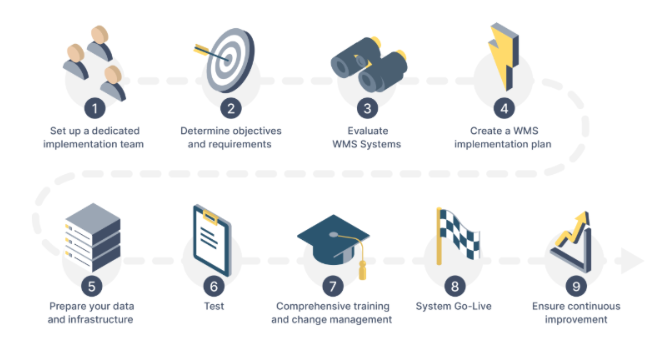
- Assess Business Needs: Begin by evaluating your specific warehouse needs. Are you focused on improving order fulfillment speed, reducing errors, or enhancing inventory tracking? A clear understanding of your objectives will guide your decision-making process.
- Conduct a Cost-Benefit Analysis: Analyze the potential costs of different WMS solutions against their expected benefits. This should include direct costs, like software and hardware, and indirect costs, such as training and system downtime.
- Pilot Testing: Before making a final decision, conduct a pilot test with a few potential WMS solutions. This allows you to assess their real-world performance and gauge how well they meet your operational needs.
- Involve Key Stakeholders: Engage stakeholders from various departments—warehouse managers, IT staff, and finance teams—early in the selection process. Their input will be invaluable in evaluating the system’s viability across different business areas.
- Monitor and Evaluate Performance: Once the WMS is implemented, continuous monitoring is essential to assess its effectiveness. Regular performance evaluations allow for necessary adjustments and optimizations, ensuring the system remains viable in the long run.
In the 2023: Magic Quadrant, Gartner identifies eighteen of the most significant Warehouse Management System providers in the marketplace. The researchers behind the report—Simon Tunstall, Dwight Klappich, Rishabh Narang, and Federica Stufano—evaluated the strengths and weaknesses of each provider listed and ranked them on the signature “Magic Quadrant” graph, which provides readers with an illustration of each vendor’s ability to execute their vision. The diagram includes four quadrants: leaders, challengers, niche players, and visionaries.

Concluding Remarks
A solid WMS product viability strategy is crucial for the long-term success of your warehouse operations. By focusing on scalability, integration, customization, cost-efficiency, and vendor support, businesses can make informed decisions about which WMS will best support their needs. Taking the time to develop a comprehensive strategy not only ensures smooth implementation but also enhances operational efficiency, providing a competitive edge in an ever-evolving market.
At Acuver, we from WMS practice, perform an extensive comprehensive strategy analysis on the customer business to propose better product feasibility suggestions. With Acuver’s expertise in business domains, customers can expect the most viable WMS product recommendation.
Senior Technical Manager