Independent Verification and Validation (IV&V) serves as the essential safety net for supply chain systems that protects organizations from expensive failures and budget overruns. The financial impact of software errors increases dramatically when discovered late in development. This pattern appears consistently across industries, with supply chains showing particular vulnerability to these disruptions.
IV&V has demonstrated its effectiveness since the 1950s when the Atlas Missile Program implemented these practices to solve schedule and budget problems in Department of Defense software projects. The importance of IV&V has increased as software applications grow more complex, larger, and more vital to business operations. Supply chain systems benefit significantly from this approach, as failures in these environments can affect every aspect of operations.
The value of IV&V stems from its flexibility – it adapts to projects regardless of size while addressing specific technical, functional, budgetary, and performance needs. IV&V activities operate alongside each development phase, delivering timely feedback that helps avoid cost overruns and schedule delays. The IV&V team’s financial, technical, and managerial independence from developers ensures you receive objective and accurate assessments of your supply chain system’s health throughout the project lifecycle.
Why supply chains are more vulnerable than ever
Modern supply chains face unprecedented weak points. Global disruptions have revealed cracks in systems previously thought sturdy and dependable. These disruptions now represent the standard operating environment rather than unexpected events, with nine in ten supply chain leaders reporting significant challenges in 2024.
Complex networks create multiple failure points. Today’s supply chains include hundreds or potentially thousands of companies spanning several tiers, each representing a potential point of breakdown. The widespread adoption of just-in-time inventory practices focused on efficiency has created dangerous dependencies on suppliers, leaving little room for error.
Digital transformation, while offering benefits, has created new risk vectors. Digital systems interconnection presents major cybersecurity vulnerabilities, with data breaches averaging costs of $4.45 million. The business reliance on spreadsheets adds another layer of risk, as 94% contain errors that can trigger financial losses and operational failures.
Visibility problems are worsening. The percentage of companies with good visibility into deeper supply chain tiers has dropped by seven percentage points according to recent studies. This decreased transparency forces organizations to rely on forecasting and buffering strategies that frequently compound existing problems.
Organizational readiness shows concerning trends despite these growing threats:
- Only 25% of companies maintain formal processes for board-level supply chain discussions, down from nearly 50% the previous year
- Just 30% of respondents believe their boards truly understand supply chain risks
- Approximately 90% of surveyed companies don’t have enough talent to achieve their digitization objectives, unchanged since 2020
The necessity for independent verification becomes evident as errors multiply throughout supply networks. Small mistakes can create widespread disruption, as shown in the black plastic kitchenware case where a misplaced decimal created industry-wide problems. Supply chains need unbiased assessment mechanisms to identify weaknesses before they develop into system-wide failures.
How independent verification and validation reduces risk
The strength of independent verification and validation lies in its ability to identify problems before they spread throughout your supply chain. IV&V comprises a series of technical, managerial, and financial activities conducted by resources separate from your project team. This separation is essential – IV&V effectiveness grows precisely because it maintains customer support while staying independent from developers.
Properly executed IV&V pinpoints high-risk areas early in supply chain processes. This early problem detection generates savings up to 200% of the IV&V investment itself. For context, an unclear requirement found during user acceptance testing costs up to 100 times more to fix than if discovered before technical specifications are finalized.
IV&V performs several vital functions in reducing risk:
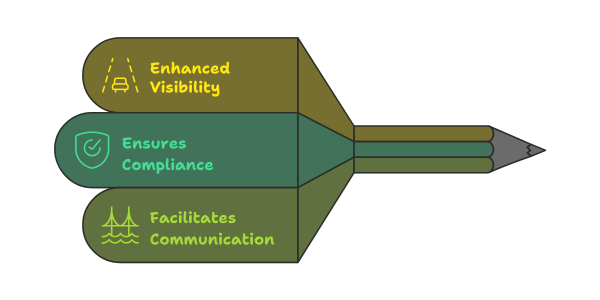
- Enhances visibility: Gives management clear and objective insight into development progress and quality
- Ensures compliance: Checks whether your supply chain systems meet relevant standards and regulations
- Facilitates communication: Functions as a bridge between project stakeholders, developers, and management
- Detects issues early: Finds potential problems when they remain easy and inexpensive to address
The IV&V approach follows the development process, confirming requirements are completely defined before design begins. Throughout this work, IV&V teams conduct sample testing for defects at each stage, audit management processes, and question the completeness of each deliverable.
For supply chains specifically, IV&V assessments uncover loopholes, gaps, and inconsistencies that might result in fines or other penalties. In today’s complex trade environment, even minor errors can affect your entire supply network.
IV&V serves as an effective risk management strategy that substantially increases your chances of delivering quality applications on schedule and within budget. While an IV&V firm cannot control your vendor’s personnel quality or methodologies, they can thoroughly review results, challenge processes, and actively protect your interests.
Implementing IV&V in your supply chain strategy
Successful IV&V implementation starts with choosing the right partner who possesses technical skill, industry experience, and integrity. Select providers demonstrating both leadership vision and consistent neutrality throughout the verification process.
Your IV&V program must span the complete software development lifecycle (SDLC). This approach should incorporate planning, project management, analysis, design, development, testing, implementation, training, quality assurance, and operations monitoring. The IV&V plan needs to align with your supply chain’s particular requirements instead of applying generic templates.
Effective IV&V methodologies typically contain these key elements:
- Project charter review and scope verification
- Risk mitigation planning and escalation procedures
- Requirements traceability matrix assessment
- Design review verification
- Validation for unit, system integration, and user acceptance testing
- Knowledge transition planning
The critical factor remains ensuring your IV&V provider maintains independence in three essential areas: technical, managerial, and financial. This separation guarantees objective assessments without organizational conflicts of interest.
Industry data indicates comprehensive IV&V typically represents 5-10% of total project budgets. Though this investment appears significant, the 1:10:100 principle demonstrates its value: fixing an error early through IV&V costs about $1, versus $10 during standard testing, and $100 after the software enters production.
The IV&V team should deliver regular updates to all stakeholders, functioning as a trusted advisor to executive leadership. They should work closely with your project team—examining documents, action items, meeting records, schedules, and invoices for accuracy.
When IV&V identifies problems, the team monitors progress against these findings and offers recommendations to enhance project deliverables, processes, and documentation. This gives your supply chain confidence that implementation efforts follow industry best practices.
Conclusion
Supply chain vulnerabilities require strong solutions, and IV&V emerges as the critical safeguard many organizations fail to implement. Modern supply networks face significant challenges – from digital transformation risks to visibility problems and staff shortages. The need for independent assessment has become essential in today’s complex environment.
The financial argument for IV&V is compelling. While representing only 5-10% of project budgets, this investment generates returns up to 200% through early error detection. Fixing issues during development costs substantially less than addressing failures in production systems that affect your entire supply network.
At Acuver, our IV&V strategies provide benefits beyond cost savings. It delivers unbiased evaluation from technical, managerial, and financially independent teams who serve your interests without competing priorities. These teams improve visibility into development efforts while confirming compliance with regulations and standards – advantages particularly important in today’s complex trade landscape. This requires thoughtful planning which Acuver guarantees. We become partners with technical expertise and neutrality, providing complete coverage across your software development lifecycle, and open communication channels. These steps require commitment from both leadership and stakeholders.