The holiday season of 2025 is going to be of a different kind.
Signs are ripe with indication of a decent consumer shopping but there are twists to the plot. The evolution of the market has led to consumers with fleeting attention and plenty full of options. Different markets are being influenced by different factors. For example, in the US, the shorter gap between Thanksgiving and Christmas is expected to be an influential factor. In India, the momentum from last year’s festive surge where spending was estimated to rise by 47% with an average budget of ₹ 25K is setting the tone for 2025. In 2024, as per reports 74% of consumers were estimated to spend more on festive shopping with a 70% increase in budget for women shoppers. This trend is anticipated to carry into the 2025 season with much more enthusiasm.
Retailers Beware
The shorter gap between Thanksgiving and Christmas is likely to create delivery issues and backlogs resulting in a negative consumer experience. It’s imperative for retailers and their marketing teams to prepare for this surge with safe and sufficient inventory, and optimized supply chains for higher efficiency. Consumers have, of late, become highly sustainable conscious which means companies must prioritize sustainable practices in their supply chains. Thankfully, technologies like blockchain (for transparency) and AI (for optimizing resource use) can help meet consumer demand for eco-friendly products during the holidays. A McKinsey report suggests that consumers are highly sensitive to prices and are going to look for the better deal or even reduce the number of items they purchase. And this cuts across to marketers as well. While digital marketing costs are growing, the average marketing budget is falling by 15%.
Supported by several studies, the trend of mobile shopping is going to thrive in 2025. This means that retailers need to keep focusing on their hyper personalized marketing campaigns to deliver an uber experience. Trust the consumer to keep throwing surprises. This year, consumers are all for self-pampering. Self-gifting is becoming popular according to DigiCommerce, with 61% of shoppers, particularly millennials (73%) and Gen Z (68%), keen to shop for themselves.
With the steady shift towards online and in-store shopping, there are clear implications for the need of a sturdy inventory management and fulfilment system in place. Retailers must continue to leverage technology to create seamless omnichannel experiences. Timing is going to be of essence this shopping season. Retailers who manage to be present at the right place and the right time are going to reap benefits.
Supply Chain Resilience
In 2025, businesses are focusing on strengthening supply chain resilience as a response to the numerous innovations and disruptions. A PWC report says that nearly 80% of Indian consumers prioritize data protection, while 65% appreciate personalized experiences using their data. Brands must balance these aspects to build trust. Companies are integrating advanced technologies to enhance their risk assessment capabilities, enabling them to identify potential vulnerabilities before they escalate into significant issues. By employing sophisticated scenario planning tools, organizations can simulate various disruptive events—such as supplier delays or sudden demand spikes—and develop tailored responses to each scenario. Real-time visibility across the supply chain is becoming a critical component, allowing firms to monitor inventory levels, track shipments, and gather data on supply chain performance instantaneously. This level of insight empowers businesses to make informed decisions swiftly, ensuring they can adapt to challenges as they arise, particularly during the high-pressure holiday season when consumer expectations are at their peak.
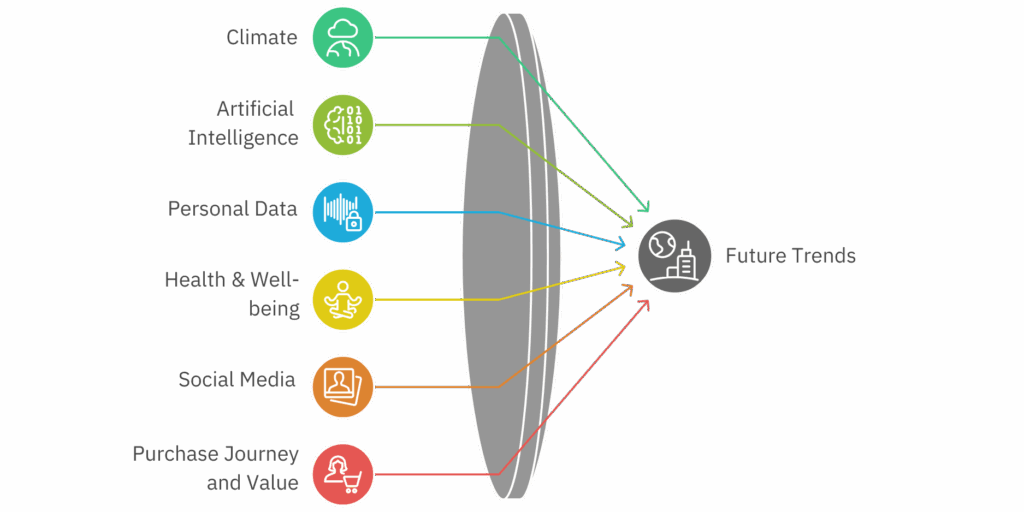
Strategies for Retailers to Maximize on the Holiday season
In 2023, the market was pleasantly surprised by how consumers spent during the holiday season. Mobile shopping, AI-shopping assistants, and new payment plans did well bringing in record numbers and this is expected to continue this year as well. Even as trends shift, inflation rises, and purses are pulled tighter, 2025 US holiday sales should still rise. In India, physical stores remain crucial, with 56% of consumers relying on them for brand discoverability, consideration, and purchase. Online channels are also significant, with 47% using social media.**
Considering the current dynamics, here are some specific strategies for retailers in 2025 that go beyond the usual approaches:
- Integration of AI in Customer Insights: Utilize advanced AI models for real-time sentiment analysis across social media and review platforms to gauge customer mood and preferences dynamically. This can inform immediate marketing adjustments and inventory decisions.
- AI-Driven Demand Forecasting: Implement machine learning algorithms that analyze historical sales data alongside external factors like weather patterns, local events, and economic indicators. This granular approach to forecasting can help retailers prepare for unexpected demand surges during the holidays.
- Smart Shelf Technology: Invest in smart shelves equipped with RFID and IoT sensors to monitor inventory levels in real-time. This technology can help maintain optimal stock levels and reduce instances of stockouts or overstock, which are critical during high-demand periods.
- Blockchain for Transparency: Leverage blockchain technology to enhance transparency in supply chains, allowing consumers to track the origin and journey of products. This can resonate well with ethically-minded shoppers, especially during the holiday season.
- Customized In-Store Experiences: Use customer data to create personalized in-store experiences. For example, when a customer enters the store, their shopping history can trigger tailored promotions or highlight products they’ve shown interest in, bridging online and offline experiences.
- Flexible Subscription Models: Offer flexible subscription services for holiday essentials or gifts, allowing customers to customize their orders and delivery schedules. This can appeal to consumers looking for convenience during the hectic holiday season.
- Micro-Fulfilment Centers: Establish micro-fulfilment centers in urban areas to ensure quick delivery times for online orders. These smaller facilities can leverage local data to respond quickly to neighbourhood-specific demands, especially during peak shopping periods.
- Utilizing Social Listening Tools: Implement advanced social listening tools to track trending products and consumer interests in real-time. This can guide rapid inventory adjustments and promotional strategies to capitalize on what’s currently resonating with shoppers.
- Sustainable Packaging Innovations: Develop and promote sustainable packaging solutions that appeal to eco-conscious consumers. For instance, using compostable materials or creating a returnable packaging system can enhance brand loyalty during the holiday season.
- Customer Co-Creation Initiatives: Engage customers in product design or selection through co-creation initiatives, such as voting on holiday product lines. This strategy can drive engagement and make consumers feel more connected to the brand.
- Localized Marketing Campaigns: Tailor marketing campaigns to reflect local cultures and preferences. Utilize data analytics to create targeted promotions based on regional trends, increasing relevancy during the holiday shopping season.
- Employee Training on Tech Tools: Provide comprehensive training for employees on new technologies, such as AI tools and data analytics, enabling them to leverage these resources effectively in customer interactions and operational processes.
Time to Put on Your Ace Face
The 2025 holiday season is set to kick off with an extra bounce, presenting challenges like a shortened peak-season timeline and gaining the distracted consumer’s attention. To navigate this complex landscape, retailers must prepare to respond with both speed and adaptability. Consumers navigate various mental states—thoughtful, bargain-hunting, resolute, and loyal—as they prepare for seasonal events. While individuals typically display a mix of these behaviors, certain mindsets become more pronounced as a key sales day or cultural occasion approaches. As such, brands must tailor their brand strategies to resonate with these shifting perspectives to enhance customer engagement and gain more impactful outcomes. The key will lie in adopting the right strategies strengthened by the right technologies for a profitable season.